
Why Chiang Rai’s highlands suit coffee and tea

Why Chiang Rai’s highlands suit coffee and tea
The province’s higher elevation, cool climate and shaded land make it well suited to Arabica coffee and tea cultivation. Local growers emphasize that cooler temperatures and tree cover help beans and leaves develop flavor and weight—two key quality markers for small-batch producers.
Visiting the farms: what you’ll see and learn
Doi Pha Mee (coffee)
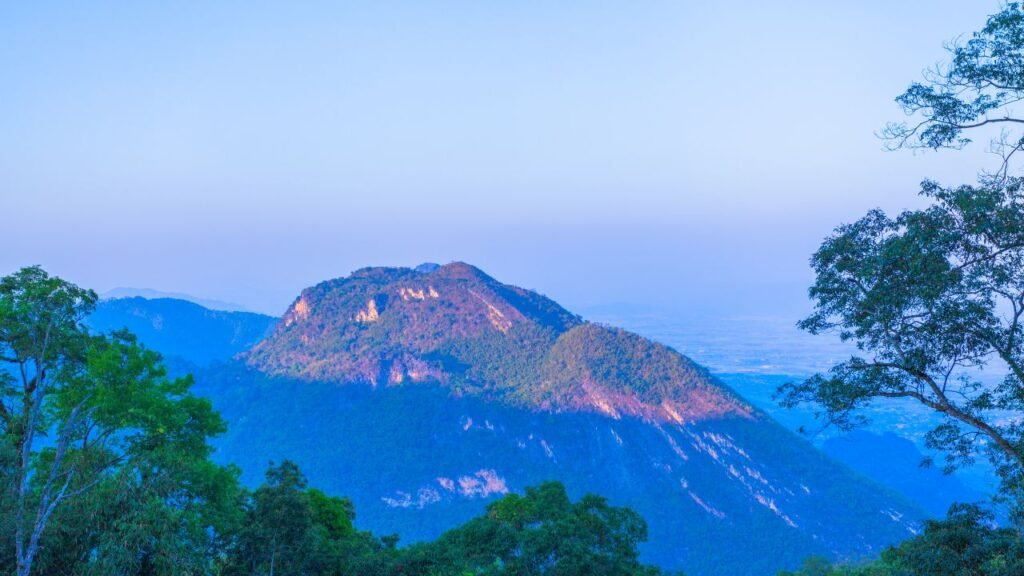
On coffee farms like Doi Pha Mee you’ll walk under shade trees through Arabica plots, watch small-scale roasting and learn simple brewing techniques. A local demonstration showed roast levels (light, medium, dark) and a manual pour-over method: use about three tablespoons (≈20 g) of medium-ground coffee and roughly 150 ml water per cup, pouring in stages so grounds fully bloom and extract evenly.
“If you want stronger coffee, leave it to steep a little longer.”

Doi Wawi (tea)
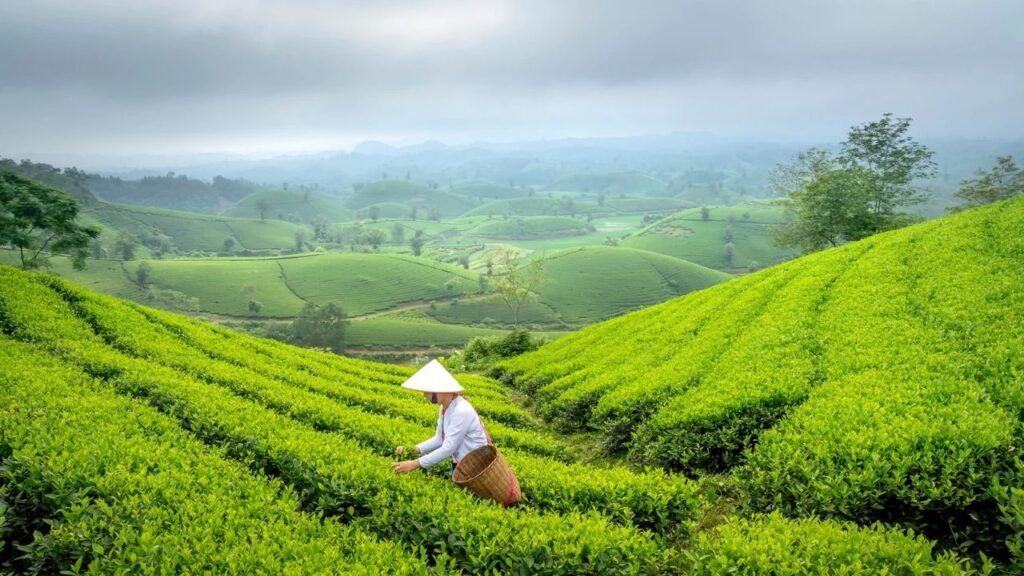
Doi Wawi hosts tea terraces tended by communities of Thai and Yunnan-Chinese descent. Visitors can see ancient tea plants, join leaf-picking, and observe the village processing chain from wilting to roasting, rolling and drying.
Practical processing steps explained
Coffee
- Harvest ripe cherries, dry or wet-process depending on tradition.
- Roast to desired level; aroma and color will vary with roast time.
- Grind to match brewing method; pour-over uses medium grind and incremental pouring to ensure even extraction.
Tea (traditional Chinese-style and red/black tea)
- Wither leaves to reduce moisture.
- Roast at controlled temperature (example given: ~200°C) with timing adjusted for leaf moisture and weather.
- Roll or rub leaves to break cell walls, then separate clumps before final drying.
- Red (what Western markets call black) tea undergoes full oxidation; in local parlance it’s often described as “red” due to infusion color.
Community impact and cultural context
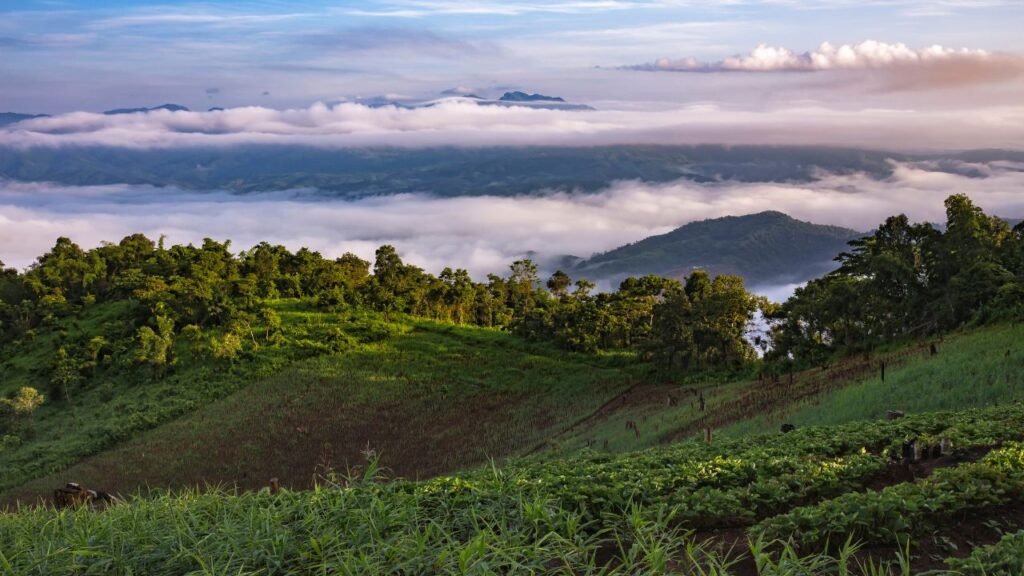
Local speakers describe a historical shift from opium to coffee and tea as cash crops. One farmer recounted how new crops replaced poppy cultivation across generations, enabling more stable livelihoods and community enterprises. Small community organizations now teach cultivation and processing techniques to newcomers and visitors, blending agricultural knowledge with cultural preservation.
What travelers can do to help
- Buy coffee and tea directly from community enterprises to support local incomes.
- Join hands-on tours to learn processing steps and respect local customs—many villages welcome visitors for educational experiences.
- Observe low-impact behavior: stick to marked trails, minimize waste and follow host guidance while sampling products.
Watch this moment
- Introduction and Doi Pha Mee overview (00:00)
- Coffee roasting and pouring technique (01:06)
- History: replacing opium with coffee (02:24)
- Arriving at Doi Wawi and tea cultivation (04:56)
- Tea processing steps (06:55)
- Chinese-style tea brewing demonstration (07:55)
- Community life and concluding thoughts (09:13)
Conclusion: Chiang Rai’s highlands demonstrate how climate, traditional knowledge and community enterprises combine to produce high-quality coffee and tea while supporting sustainable local livelihoods. Visitors can learn practical processing methods, taste authentic products and directly support these rural economies.
Original video: Watch on YouTube